Yes, your office chair can qualify for FSA coverage, but you’ll need a Letter of Medical Necessity from your doctor proving it treats a spine-related condition like back pain or neck issues. Without that documentation, the IRS won’t allow it.
The chair must have specific medical features—think adjustable lumbar support and proper ergonomics—not just be comfortable.
Want to know how to get that approval and maximize your savings?
Are Office Chairs FSA Eligible?
Can you actually use your FSA funds to buy that fancy ergonomic office chair you’ve been eyeing? The short answer is yes—but there’s a catch. You’ll need a Letter of Medical Necessity (LMN) from your doctor first. Here’s the thing: ergonomic chairs qualify as eligible expenses when they’re medically necessary for back health and posture support. Your chair must directly treat or prevent a spine-related condition. Companies like Truemed handle the qualification process and LMN documentation, making it simpler for you. HSA/FSA eligibility varies by your plan provider, though IRS guidance generally supports using pre-tax funds for medical expenses like these. Just remember, LPFSA and DCFSA typically don’t cover office chairs, so check your specific plan. With proper documentation, you’re looking at genuine reimbursement.
Which Account Type Covers Your Chair: FSA, HSA, or HRA?
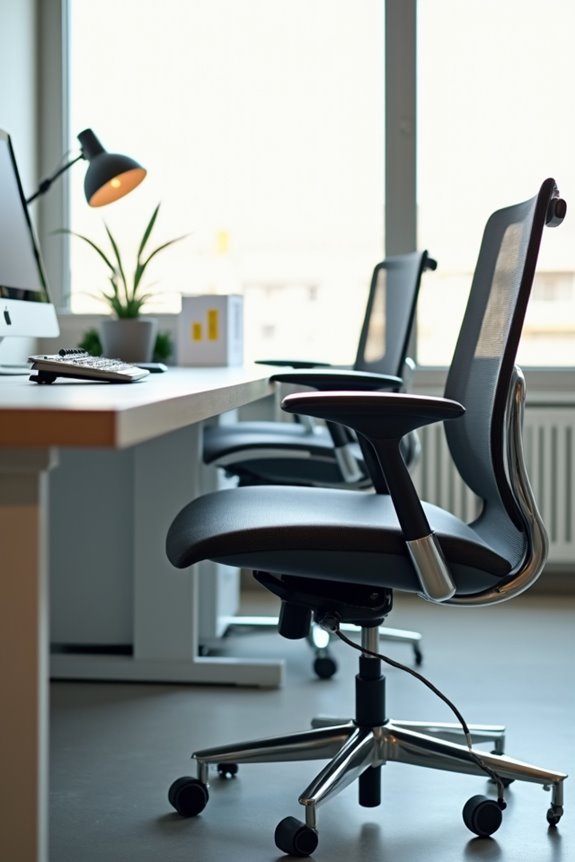
So which account actually lets you grab that ergonomic chair? Here’s the breakdown: HSA and HRA both cover ergonomic chairs when medical necessity is documented through a Letter of Medical Necessity (LMN). FSA eligibility works similarly—you’ll need that LMN proving your chair treats back pain or similar conditions. LPFSA and DCFSA won’t cover specialized chairs, so scratch those options.
The good news? Anthros chairs qualify for HSA, FSA, and HRA purchases through Truemed, potentially saving you around 30%. Truemed handles the entire LMN process, making things easier. If your account’s running low, pay personally and get reimbursement instructions later. Your medical expenses become manageable when you pick the right account and document properly.
Conditions That Qualify for Reimbursement
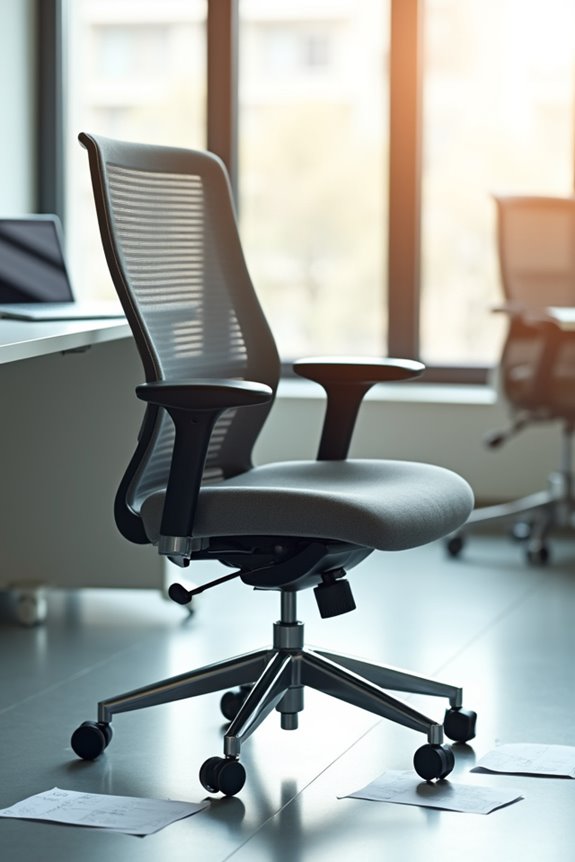
Now that you know which account works best for your chair purchase, the real question becomes: does your situation actually qualify? Your medical necessity matters here. Do you struggle with upper back pain? Low back pain? Neck or shoulder pain? These are exactly the conditions that qualify for reimbursement. Here’s the catch: you’ll need a Letter of Medical Necessity (LMN) from your doctor. That letter explains your specific condition, why an ergonomic chair treats it, and how long you’ll need it. Without that LMN, your FSA eligibility basically disappears. The IRS has strict criteria, so your chair must be genuinely ergonomic or specialized—not just any office seat will do. Think of the LMN as your path to reimbursement.
Features Your Ergonomic Chair Needs to Qualify
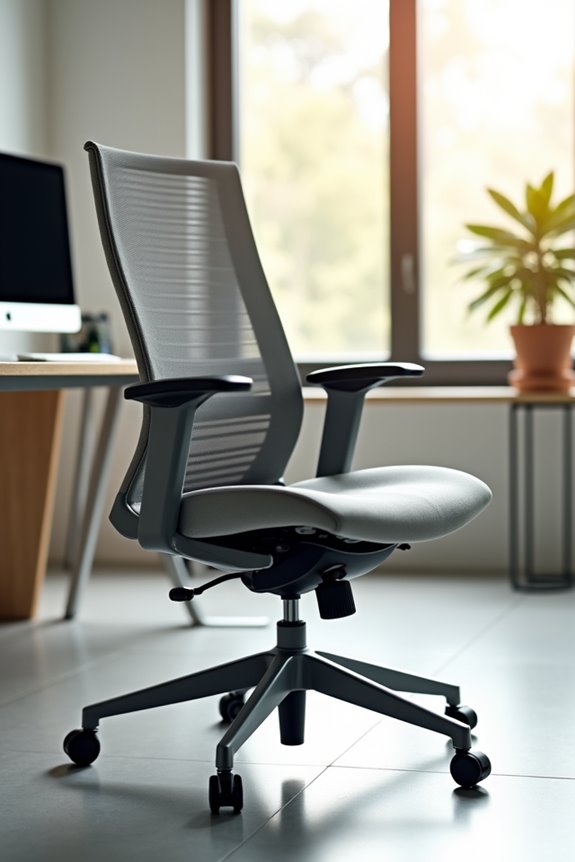
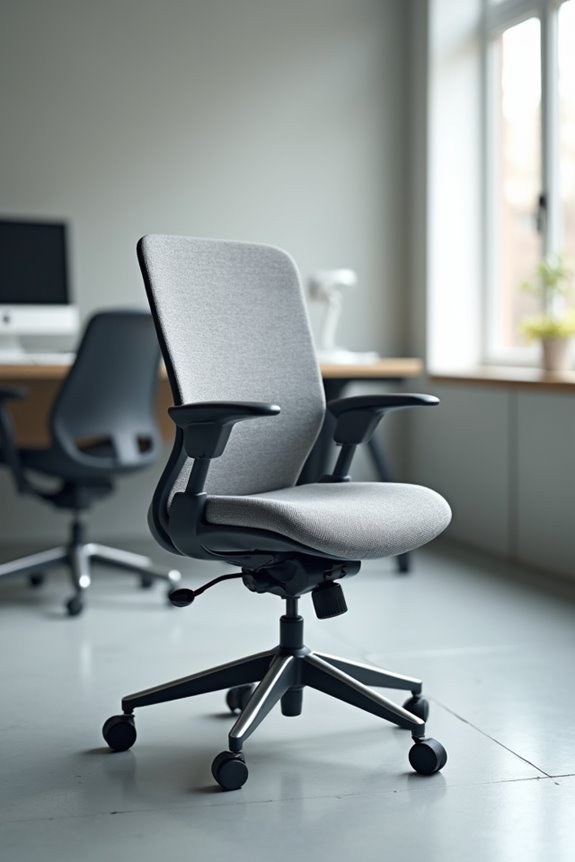
What makes a chair “ergonomic enough” for the IRS to approve it? Not every fancy desk chair qualifies for FSA eligibility. Your ergonomic chair needs specific adjustable features to count as medical necessity.
Look for independent lumbar support you can customize to your spine’s natural curve. The seat height and depth should adjust, letting you position your feet flat on the floor. You’ll want a backrest that tilts and arm supports that rise to elbow height—these details matter for back posture improvement.
A swiveling base and quality padding reduce strain during long days. Here’s what matters: your doctor must connect these features directly to your condition in a Letter of Medical Necessity. That documentation proves you’re using pre-tax funds for genuine medical treatment, not just comfort.
How to Obtain a Letter of Medical Necessity

To get your Letter of Medical Necessity through Truemed, I need to walk you through their qualification process, which starts when you answer a quick physician-facing survey at checkout. A doctor reviews your answers to confirm you actually have a medical condition that an ergonomic chair can help treat, manage, or prevent—like chronic back pain from sitting all day or a posture-related neck issue. Once approved, Truemed generates your LMN document, which you then submit to your FSA or HSA administrator as proof that your chair is a legitimate medical expense, not just office furniture.
Truemed’s Qualification Process
How does an office chair actually become FSA-eligible? Through Truemed’s qualification process, that’s how.
I submit a private health assessment detailing my medical condition. A licensed medical professional reviews my responses and determines if I qualify for HSA or FSA reimbursement. If I’m eligible, they generate a Letter of Medical Necessity—the LMN—within a few days.
This LMN is necessary. It justifies why I need an ergonomic chair, explaining my condition, how the chair alleviates it, and treatment duration. Without this documentation, my purchase won’t qualify for reimbursement.
Here’s what sets this apart: Truemed handles all the qualification documentation. Once approved, I simply use my HSA or FSA funds at checkout. If my balance falls short or a claim gets denied, I can still buy the chair with a regular card and submit the LMN for later reimbursement.
LMN Documentation Requirements
Here’s what you need to know about the Letter of Medical Necessity—you actually need one, and the process is straightforward. I’ll walk you through it.
Truemed handles your LMN documentation by routing your health assessment responses to a licensed medical professional for review. They’ll examine your proof of need—basically, your medical condition and how long you’ve dealt with it. The medical professional then writes your LMN, explaining why that ergonomic chair alleviates your symptoms.
Your LMN arrives via email once approved. This document proves your eligible expenses qualify for FSA eligibility, letting you pay with pretax funds. If your claim gets denied? No problem. You’ll use a regular card instead and receive reimbursement guidance. Either way, you have a solution.
Buying Your Ergonomic Chair With FSA Funds
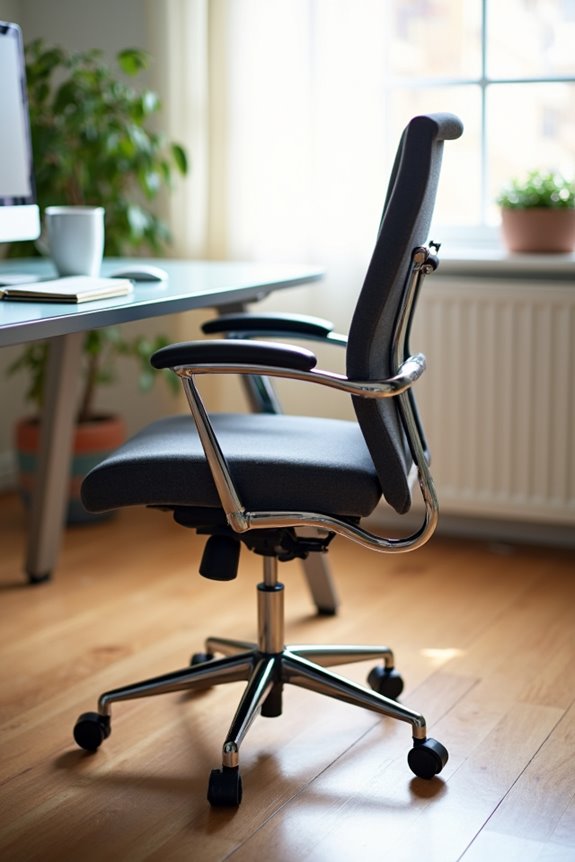
Once you’ve got your Letter of Medical Necessity approved, you’re ready to purchase your chair. With your FSA funds, you can pay directly at checkout through Truemed’s system, which means your ergonomic chair purchase is paid for with pre-tax dollars instead of after-tax money from your personal account. If your FSA balance doesn’t cover the full price, you can pay the difference with your personal card and receive reimbursement for the FSA-eligible portion using the LMN and reimbursement instructions Truemed provides.
FSA Eligibility Requirements
What separates an ergonomic chair you can buy with FSA funds from one you can’t? The key requirement: medical necessity. You’ll need a Letter of Medical Necessity (LMN) from a doctor proving your chair treats a diagnosed condition. Truemed handles the qualification process by having a physician review your eligibility survey, then issue your LMN. HSA/FSA plans require this documentation for eligible healthcare expenses, while LPFSA and DCFSA won’t cover ergonomic chairs at all. The LMN must outline your condition, why the chair helps, and how long you’ll need it. IRS requirements aren’t flexible here. If you have insufficient FSA funds, pay personally first, then submit your LMN for reimbursement.
Truemed Checkout Process
Ready to use your FSA dollars for an ergonomic chair?
Here’s how it works. At checkout, select Truemed as your payment option. A qualification survey gets sent to a licensed medical professional who evaluates whether your ergonomic chair qualifies as medical necessity. If you’re eligible, you’ll receive a Letter of Medical Necessity (LMN) within days—your approval for using HSA/FSA funds on eligible purchases.
What if your health reimbursement arrangement doesn’t cover everything? No problem. Pay with your personal card, and Truemed provides your LMN plus reimbursement instructions. You’re not stuck choosing between comfort and your budget. The Truemed checkout process removes the guesswork, letting you invest in your health without financial stress.
4 Mistakes That Disqualify Your Chair Claim
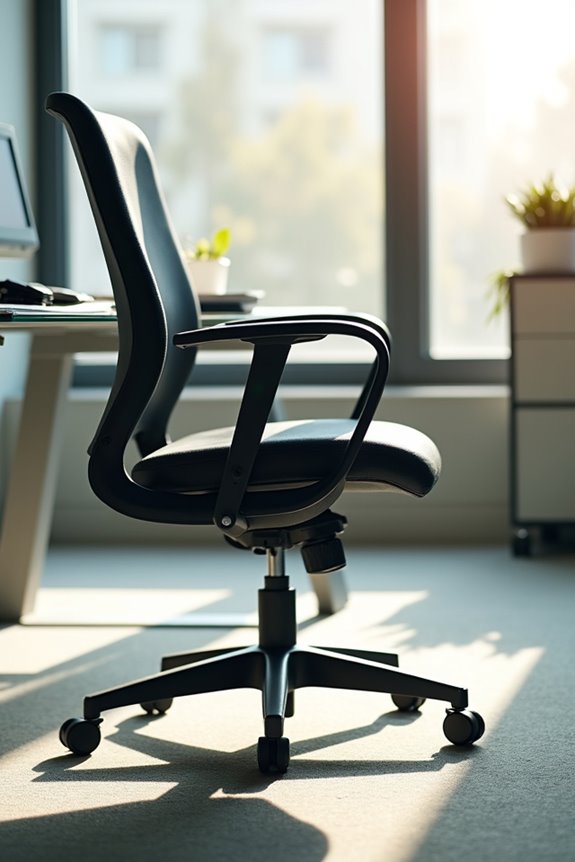
When you’re ready to submit your office chair for FSA reimbursement, one wrong move can tank your entire claim—and honestly, it’s easier to mess up than you’d think.
When submitting your office chair for FSA reimbursement, one wrong move can tank your entire claim—and it’s easier to mess up than you’d think.
I’ve seen people stumble in predictable ways:
- Skipping the Letter of Medical Necessity (LMN) from your doctor—this document is required for FSA eligibility and claim approval
- Calling your specialized chair “just furniture” instead of emphasizing its medical purpose and ergonomic features designed to treat your condition
- Using the wrong account type, like trying to pay through LPFSA or DCFSA when only FSA/HSA/HRA accounts cover specialized chairs
The fix? Get proper medical documentation first. Work with your healthcare provider to establish clear medical necessity. Submit detailed medical justification alongside your LMN. Then classify your chair correctly—it’s therapeutic equipment, not lifestyle furniture. This approach prevents claim denial and gets you reimbursed faster.
Maximize Savings: Average Tax Benefits for FSA-Eligible Chairs
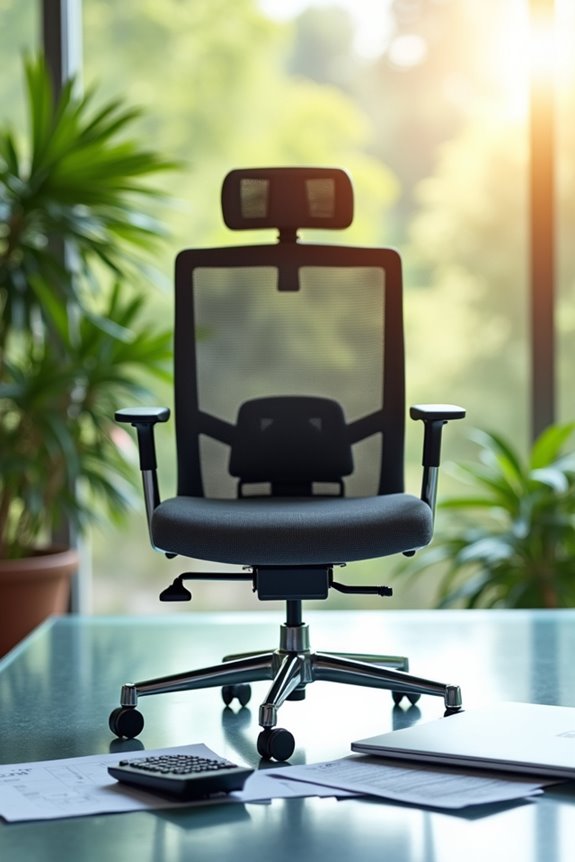
How much could you actually save by using FSA or HSA funds for that ergonomic office chair your back desperately needs?
You’re looking at roughly 30% in average savings. Here’s why that matters: when you use pre-tax dollars through your FSA or HSA, you’re avoiding federal income tax, Social Security tax, and Medicare tax on that purchase. That’s real money staying in your pocket.
| Scenario | Chair Cost | Tax Savings |
|---|---|---|
| Without FSA/HSA | $800 | $0 |
| With FSA/HSA | $800 | ~$240 |
| Final Out-of-Pocket | $800 | $560 |
To access these savings, you’ll need a Letter of Medical Necessity proving your chair treats a legitimate health condition. Once your LMN’s approved, reimbursement becomes straightforward. That’s eligibility meeting smart planning.