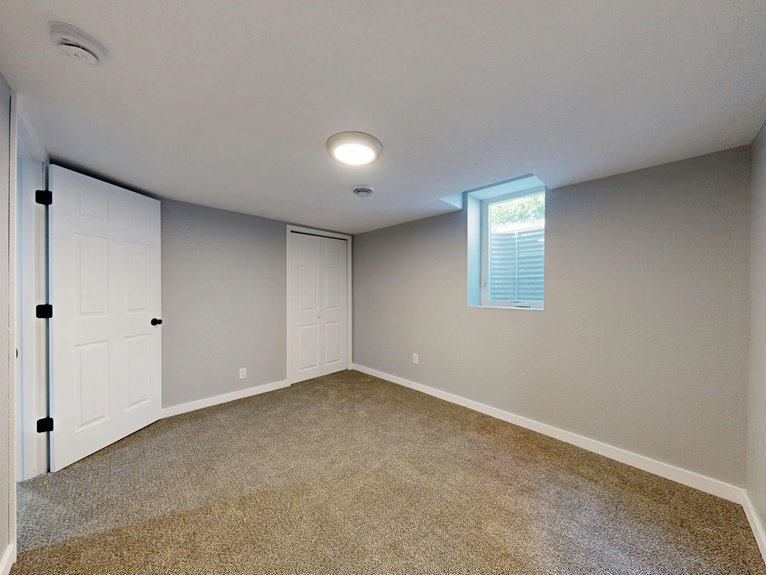
Most basements don’t count toward standard square footage—here’s why. Real estate pros use something called gross living area, which only includes spaces at or above ground level. Your finished basement sits below grade, so lenders and appraisers usually exclude it from official measurements. However, walk-out basements with proper egress windows or doors sometimes get counted differently depending on your location. The rules vary by region and what your local MLS decides, which means your basement’s square footage status depends on where you live and how it’s built.
What Actually Counts as “Square Footage” in Real Estate
So the point is—when a real estate listing says a house is 2,500 square feet, that number might not include your basement, even if you’ve spent thousands finishing it. I know, it’s frustrating. Here’s why: real estate professionals follow specific appraisal guidelines that typically count only above-grade living area toward the official total. Your finished basements might get listed separately or ignored completely, depending on where you live. Most jurisdictions distinguish between above-grade spaces (your main floors) and below-grade areas (your basement). This means basement square footage often doesn’t boost your home’s reported size. Local MLS standards vary too, so what counts in one region might not count in another. Understanding this distinction helps you see what’s really included when comparing homes.
Why Basements Are Usually Excluded From Square Footage
Why do real estate agents seem to ignore your beautiful finished basement when they list your home’s square footage? The answer lies in how the industry measures living space. Most appraisers and real estate professionals use gross living area (GLA), which only counts above-grade spaces—rooms with windows and natural light at ground level or higher.
Your basement, no matter how polished, stays below-grade. That means it’s physically underground or partially underground. Without proper egress (safe exits) and natural light access, basements don’t meet standard measurement criteria. Local regulations vary, but most markets treat basements separately. Think of it this way: appraisers want consistency. Below-grade spaces present moisture risks and different building codes that make standardization difficult.
Below-Grade vs. Above-Grade: Why It Matters
The reason your basement gets left out of square footage calculations comes down to one fundamental rule: location matters more than looks. You see, whether a space counts depends on where it sits relative to ground level. Above-grade space sits at or above ground. Below-grade sits below it. That’s the distinction that changes everything.
Why does this matter? Well, lenders and appraisers follow strict guidelines. They’ll count your finished above-grade basement space toward official square footage, but anything below ground? That typically doesn’t count, even if you’ve installed beautiful flooring and drywall. It’s not about quality—it’s about moisture risk and building codes. Understanding this below-grade versus above-grade difference helps you navigate home values, mortgage calculations, and accurate square footage numbers. It’s how we all stay on the same page.
When Finished Basements Get Counted in Square Footage
Just because you finished your basement doesn’t automatically mean it counts toward your home’s official square footage—and that might be unexpected.
Here’s the thing: lenders and appraisers follow strict rules about what counts. Your finished basement only gets included in above-grade living area calculations if it meets specific criteria. We’re talking proper egress (that’s a legal exit), adequate heating, and above-grade exposure.
Walk-out basements have an advantage here. If yours has exterior doors and windows at ground level, appraisal standards may count that space differently than a traditional below-grade basement.
The catch? Standards vary wildly by region. Your MLS listing might count basement square footage one way, while your appraisal does it another. That’s why I always recommend asking your listing agent which basement areas they included.
Walk-Out Basements and the Egress Rule
Safety. That’s what the egress rule is really about. A walk-out basement can count toward your living area—here’s the key: it needs direct outdoor access, usually through a door at yard level.
Why does this matter? Because proper egress lets you use that basement bedroom legally. Many jurisdictions require safe exit routes, and a walk-out basement provides exactly that.
Here’s where it gets interesting: the above-grade portion of your walk-out counts toward living area differently than fully below-grade basements. Some states count only the exposed section, while others include more depending on how much sits above ground level.
Understanding this rule helps you know what square footage actually counts. Thousands of homeowners have maximized their space by following these guidelines.
What Appraisers Actually Count in Your Basement
When an appraiser steps into your basement, they’re not just checking whether the walls are painted and the floor is finished—they’re asking whether it actually counts. Your appraiser will separate above-grade space (anything with its head above ground) from below-grade (fully underground), because that distinction determines what gets added to your official square footage for loan purposes. Even if your basement has all the right stuff—egress windows for safe exit, proper heating, real flooring, and finished walls—it might still sit outside the main living area calculation, depending on local rules and whether portions truly rise above ground level like a walk-out would.
Above-Grade vs Below-Grade
Why does your finished basement sometimes disappear from your home’s official square footage?
It comes down to one thing: location. Appraisers split basements into two categories—above-grade and below-grade. Your above-grade space? That counts toward gross living area. Your below-grade finished basement? It typically doesn’t.
Think of it this way. If your basement sits partially above ground with windows and proper exits, appraisers may include it. But fully underground? They’ll separate it out.
This matters because mortgage lenders and appraisers follow strict rules. Fannie Mae guidelines count only above-grade finished spaces. Your rec room below ground gets listed separately, not added to your home’s main square footage.
It’s frustrating, I know. You’ve invested in that space. But understanding this distinction helps you appreciate what your appraiser actually sees.
Finished Space Requirements
So you’ve poured money into finishing your basement—new drywall, flooring, lighting, the works—but here’s the catch: not everything you’ve done actually counts toward your home’s official square footage.
Appraisal guidelines like Fannie Mae have strict rules about what qualifies as finished above-grade space. Your basement inclusion depends on meeting specific requirements: permanent flooring, walls, ceiling, and heating throughout. That’s right—without proper heating, your finished space doesn’t make the cut.
Here’s where it gets tricky. A bedroom needs egress (a proper exit), adequate ceiling height, and heat. Without egress, appraisers won’t count it as a true bedroom or habitable space. Even stairwells and closets count, but only if they’re finished and heated.
Think of it this way: appraisal guidelines measure livability, not just completion.
Egress and Safety Standards
Before appraisers will count your basement bedroom toward your home’s square footage, they need to see a legitimate way out—and I mean a real exit, not just hoping you can squeeze through a window during an emergency. That’s where egress comes in. I’ve seen homeowners frustrated when appraisers reject their finished basement because there’s no proper door or compliant egress window leading outside. Here’s why it matters: if someone needs to escape quickly, they need a safe route. Appraisers won’t count basement space toward your home’s above-grade appraisal value without it. Walk-out basements work well since exterior doors provide natural egress. Egress windows—those larger basement windows—also qualify if they meet code requirements. Without proper egress, your finished basement stays just that: finished, but not officially counted.
Why Lending Standards Matter for Basement Square Footage
When you’re applying for a mortgage, lenders like Fannie Mae don’t care about your finished basement the way you do—they only count above-grade square footage, which means anything below ground level typically gets ignored for loan purposes. This matters because if your basement adds 1,000 square feet but doesn’t meet their strict above-grade requirements, that space won’t increase your home’s official square footage on your appraisal, and it won’t increase your borrowing power even though you’ve invested real money into it. Understanding these lending rules helps you avoid the frustration of finishing a basement expecting it to boost your home’s value for financing, only to discover the bank sees things differently.
Fannie Mae Above-Grade Rules
Why do lenders care so much about whether your basement counts toward your home’s square footage? Here’s the thing: Fannie Mae has strict rules about what they’ll accept for mortgages. They only count finished basement space if it’s above grade—meaning it sits at or above ground level. A traditional basement? That doesn’t count toward your official square footage, even if you’ve spent thousands finishing it.
This matters because lenders use above-grade square footage to calculate your home’s value. If your finished basement isn’t officially counted, your home’s appraised value drops. That means you might not qualify for the loan amount you expected. Understanding these Fannie Mae guidelines helps you make informed decisions about where to invest your renovation money and what to realistically expect when selling.
Appraisal Impact On Financing
Understanding Fannie Mae’s rules is one thing, but here’s where those rules actually hit your wallet: lenders use appraisals to decide how much money they’ll give you. I can’t get a bigger loan just because I finished my basement if it’s still below grade. That appraisal determines your above-grade square footage, which directly affects your financing amount. Lenders won’t count basement space toward your home’s official value the same way they count upstairs rooms. So even though finishing that basement improved my living space, it didn’t increase my borrowing power. That’s frustrating, I know. Your actual lender’s guidelines matter most here. Some products allow finished basements differently than others. Before you invest in basement work, verify with your specific lender how they’ll actually count that space toward financing.
Your County Assessor Determines If Basements Count
How does your basement suddenly vanish from official records? Your county assessor holds the answer. These officials determine whether your basement counts toward your home’s official square footage—and their rules vary depending on where you live.
Here’s what I’ve learned: finished basements might get counted in one county but excluded in another. Walk-out basements with direct outside access have better chances of inclusion than fully below-grade spaces. Many states stick to a strict rule: if it’s below grade, it doesn’t count toward living area, regardless of how nicely you’ve finished it.
The bottom line? Don’t assume anything about your basement’s square footage. Call your local assessor’s office directly. They’ll explain exactly how your specific basement factors into your home’s official measurements. It’s worth the quick phone call.
Legal Requirements for Basement Bedrooms
So you’ve finished your basement and want to use it as an extra bedroom—but here’s the catch: not every finished basement room actually counts as a legal bedroom.
I’ll be straight with you: your county assessor and local building codes set strict rules. That basement bedroom needs proper heat, walls, flooring, and ceiling. But here’s the real requirement: egress. You need a legal way out—usually an egress window or walk-out door—for fire safety. Without it, inspectors won’t approve it as a bedroom, period.
Your above-grade space matters too. If your basement sits mostly underground, getting that egress becomes trickier. Different states handle this differently, so verify your local rules before counting those square footage measurements. Chat with your listing agent about what actually qualifies in your area.
How Square Footage Affects Your Mortgage Approval

Now that you know what counts as a legal bedroom, let’s talk about what actually matters to your lender—and it’s not always what you think.
What lenders actually count toward your mortgage approval might surprise you—and it directly impacts your borrowing power.
Your mortgage approval depends on basement square footage calculations. Here’s why that matters:
- Above-grade living area is what lenders count first—it’s their standard measurement
- Below-grade spaces typically get excluded, even if finished well
- Appraiser guidelines (like Fannie Mae’s) determine what officially counts toward your loan amount
- Your loan eligibility depends on these square footage calculations
- Property value adjustments happen when basement footage doesn’t match expectations
When you’re applying for a mortgage, lenders use appraiser guidelines to decide your basement square footage inclusion. If your finished basement doesn’t meet above-grade standards, it won’t increase your mortgage approval amount. That gap between what you see and what lenders count? It’s real, and it affects your borrowing power directly.
Why Listing Square Footage Differs From Appraisal Numbers
You’ve probably noticed that a home’s listing says 2,500 square feet, but the appraisal report shows 2,000—and that gap often comes down to basement rules. Fannie Mae, the mortgage giant that sets lending standards, only counts finished spaces *above ground* toward official living area, which means that finished basement you’re considering doesn’t increase the appraisal number the way you’d expect. So while your real estate listing might include basement footage to appear more attractive, the appraiser’s job follows stricter standards: they adhere to specific guidelines about what actually counts, and below-grade spaces typically don’t qualify.
Appraisal Standards vs. Listings
Why does a basement that’s beautifully finished sometimes disappear when your appraisal comes back?
The answer lies in how appraisers and real estate agents measure differently. Here’s what separates them:
- Appraisal standards count only above-grade living area—spaces above ground level
- Listing practices often bundle finished basements into total square footage
- MLS reports may show finished basement separately from above-grade footage
- Fannie Mae guidance classifies below-grade spaces differently than agents do
- Local assessor rules determine whether your finished space officially counts
Your listing agent might’ve advertised 2,500 square feet including that finished basement. But the appraiser counts only 2,000 above-grade square feet. That’s not an error—it’s just different measurement systems at work. Understanding this distinction helps you compare listings fairly and avoid surprises.
Fannie Mae Above-Grade Rules
When you’re comparing homes online and one listing shows 2,500 square feet while the appraisal report says 2,000, Fannie Mae’s above-grade rules are likely the culprit. Here’s what’s happening: Fannie Mae only counts finished spaces that sit above ground level. Your basement? It doesn’t count, even if it’s beautifully finished with new carpet and drywall. That’s because lenders focus on above-grade square footage for loan decisions. If your home has a partially above-grade basement, only the portion above ground matters. This distinction explains why your listing and appraisal numbers look different. The numbers are simply measuring different things. Understanding this gap helps you anticipate financing conversations with lenders.
Does Finished Basement Square Footage Add Value?
Even if your finished basement doesn’t officially count toward your home’s listed square footage, it’ll almost certainly add value anyway. I’ve seen it happen countless times—homebuyers love extra usable space, regardless of what the reporting standards say.
Finished basements add real value to your home, even if they don’t officially count toward square footage—buyers recognize that extra usable space matters.
Here’s why your finished basement matters:
- Buyer appeal: Extra living area makes your home more attractive, even if it’s below-grade
- Functional space: Recreation rooms, home offices, or guest areas justify higher prices
- Market competitiveness: You’ll stand out against similar homes without finished basements
- Lifestyle value: Families recognize the practical benefits beyond official square footage
- Return on investment: Finished basements typically recoup 70–80% of renovation costs
The disconnect between basement square footage and finished basement value is real. Don’t let reporting standards fool you—that polished basement space absolutely strengthens your home’s appeal and selling potential, above-grade living area or not.
Basement Bedrooms: When They Count Toward Square Footage
When you’re counting a basement bedroom toward your home’s square footage, you’ve got to check three main boxes: Does it have a legal way out in case of fire (that’s an egress window), is it actually finished with proper walls and flooring, and does it have adequate heating and a decent ceiling height? I’ve seen plenty of listings where a basement room gets labeled as a bedroom on paper, but lenders won’t count it toward the official square footage because it fails one of these safety or quality standards. The tricky part is that different regions and appraisers play by different rules, so what counts in one place might not count in another.
Legal Bedroom Requirements
How do you turn a basement room into a bedroom that actually counts? It’s trickier than just adding a bed and calling it done. You’re dealing with local codes, and they’re pretty specific about what makes a bedroom official for your home’s gross living area.
Here’s what matters most:
- Egress windows or doors for emergency exits (non-negotiable)
- Finished walls and ceiling that meet code standards
- Adequate ceiling height, typically 7 feet minimum
- Proper heating systems to maintain livable temperatures
- Complete flooring that’s finished, not just concrete
Without these elements, your basement bedroom won’t count toward your home’s square footage, even if it’s perfectly usable. Building inspectors won’t budge on this stuff—and these requirements exist to keep you safe.
Egress and Fire Safety
Why does a basement bedroom with beautiful finishes sometimes not count toward your home’s square footage? The answer lies in fire safety. An egress window isn’t just a nice feature—it’s legally required for basement bedrooms in most places. That egress window lets you escape during emergencies, and building codes don’t budge on this.
Here’s the reality: if your basement bedroom lacks a compliant egress window, appraisers won’t count it toward your basement square footage. They’re following fire safety rules, not being difficult. A proper egress means a window large enough to climb through, positioned low enough to reach easily.
Different states interpret these rules differently, so verify your local codes before listing or buying. Your safety matters more than the numbers anyway.
Heat and Finish Standards
So you’ve got a basement bedroom with fresh paint and new carpet—does it actually count toward your home’s square footage?
Here’s the truth: finishing alone isn’t enough. I need to tell you what really matters:
- Proper heating system installed and functioning year-round
- Ceiling height meeting local codes (often seven feet minimum)
- Complete wall and floor finishes beyond bare concrete
- Egress requirements met with proper windows or doors to grade level
- Above-grade living area classification, not below-grade
Your basement finishes look good, but lenders and appraisers won’t count that space toward official square footage without heating and year-round livability. It’s frustrating, I know. However, finishing still increases your home’s appeal and usable living space. Think of it as a bonus that adds value even if paperwork tells a different story.
Will Your Basement Count? Check Your Market
Whether your basement adds square footage to your home’s official measurement really depends on where you live. I’ve learned that some states count finished basements toward above-grade living area, while others don’t include them. It’s a frustrating inconsistency.
Your local MLS and tax assessor might use completely different rules. Walk-out basements with proper egress requirements often receive better treatment in measurements since they have outside access. That natural light and direct exit? They affect how the space is classified.
Before you list or buy, verify exactly which basement square footage the listing agent included. Ask specifically how they measured it. What counts in one market might not apply in yours. This difference impacts your home’s perceived value and appeal to future buyers.
Key Questions About Basement Square Footage Before Buying

Now that you know the rules vary wildly by location, you’re probably wondering what to actually ask before you make an offer.
Here’s what I’d investigate:
- Ask your real estate agent how basements are counted in your specific market’s MLS listings
- Request the appraisal guidelines your lender uses—Fannie Mae often excludes below-grade space from above-grade calculations
- Check if your finished basement has proper egress windows or walkout access, which affects counting
- Understand local assessor rules since property taxes depend on how square footage gets measured
- Get clarification on the appraisal report itself, which separates basement square footage from main living area
Don’t assume that polished basement translates to higher home value. Many lenders won’t count it equally. Asking these questions upfront protects you from surprises during financing or resale.